
Where Bronx County Crime News Appears
The Bronx has real local-news outlets. None publishes a daily booking roster, though. Norwood News covers policing across the Northwest Bronx on a steady community beat. The Bronx Times breaking-news stream tracks incidents and public-safety developments as they break. News 12 Bronx is a broadcast channel that weighs in on crime stories when they warrant airtime. Official sources come first. The NYPD newsroom and its press-release archive publish selected arrests, wanted notices, and safety announcements. Bronx District Attorney data and disposition materials add the prosecution side. Even these channels are selective. No routine Bronx booking-photo gallery lives there. No full arrest list either. Treat every story as a time-stamped report. One outlet may write that NYPD reported an arrest. A DA release may say a person was charged or indicted. A court file can later show a different result. So keep the original source's wording rather than upgrading it on your own. The News 12 Bronx local-news landing page is one continuing source worth reading next to the agency material itself.
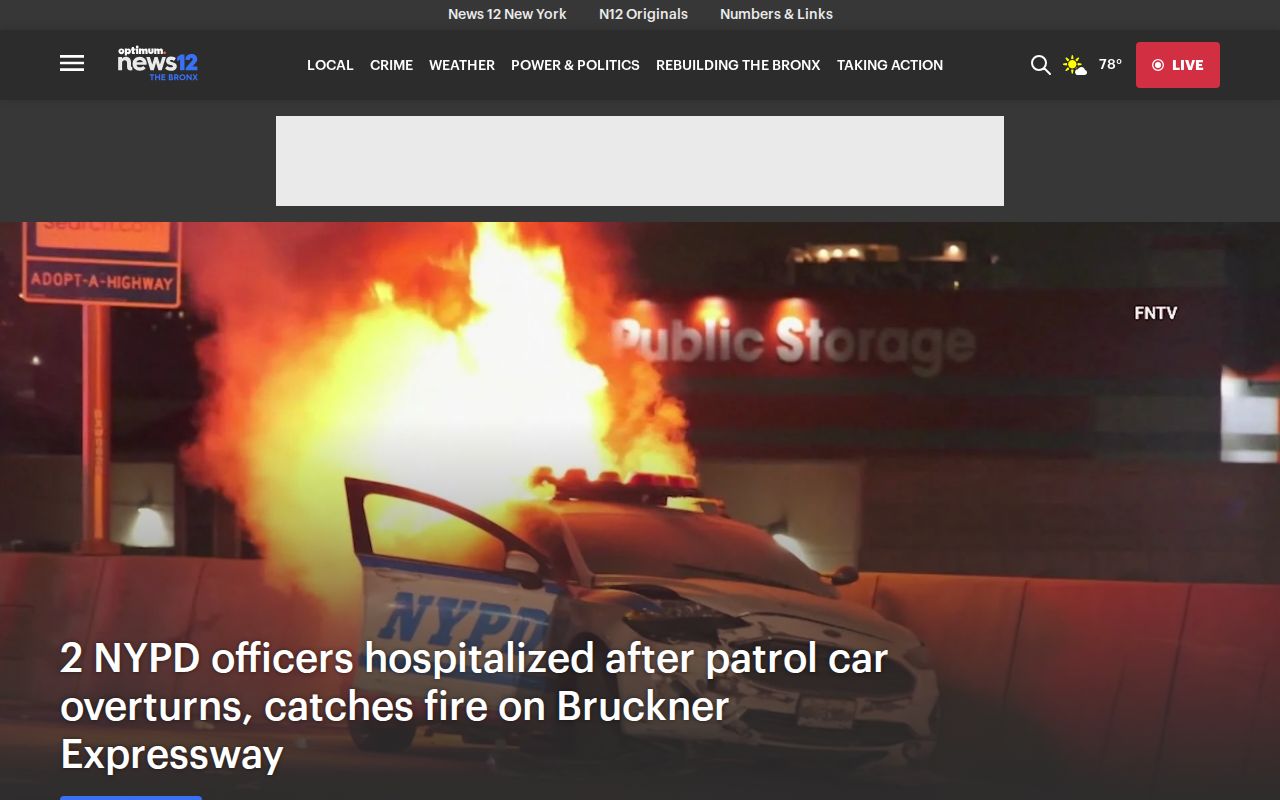
This page is a local reporting channel. It is not an official arrest record, and it is not a place to pull someone's image for reuse.
Bronx News Outlets and Sources
Each outlet plays a different part. Local reporting explains the geography and what an incident meant to the block. NYPD material gives you the department's own wording. Court and DA sources point toward later case status. Photos vary just as much. A picture beside an arrest story is not automatically a mugshot, so check the credit before you call it one.
| Outlet or source | Coverage | Image context | Best use |
|---|---|---|---|
| Norwood News | Community policing and local incidents | May be a police-supplied image, video frame, file image, or reporting photo | Local context, then confirm the linked source |
| Bronx Times | Breaking news and Bronx public safety | Can be NYPD, wanted, editorial, or event imagery | Incident context and date tracking |
| News 12 Bronx | Broadcast crime and arrest reports | May use police-released imagery, wanted material, or news graphics | Update timing and local reporting |
| NYPD newsroom | Selected official announcements | Official release, wanted image, surveillance, or supplied material | Original agency charge and date |
| Bronx DA reports | Prosecution announcements and aggregate data | Not a routine photo source | Case and disposition context |
| NYC courts | Court records and Certificates of Disposition | Not a photo source | Outcome verification |
No major commercial-mugshot site offers a verified Bronx-local booking feed. A broad New York or NYC page is not Bronx County coverage. Unofficial pages sit stale for years. They may pull from another jurisdiction or skip the source chain entirely. For real answers, lean on NYPD, NYC DOC, or the courts.
How Bronx Arrest Images Reach News
Newsrooms get their images in different ways. An article might run an NYPD wanted image. It might run a police-supplied incident photo, surveillance footage, a court exhibit, a journalist's own shot, or an older file picture. The credit line tells you which. So does the linked source. A wanted flyer is not a booking photograph by default. And a portrait beside a story may have nothing to do with arrest processing. New York law draws a hard line here. Public Officers Law § 89(2)(b)(viii) bars disclosure of law-enforcement arrest or booking photographs unless a specific law-enforcement purpose is served and no other law blocks release. NYC DOC states plainly that it does not supply mugshots. That is why a case can be covered by a local outlet or an NYPD press release while no official photo is public. An internal arrest image is not automatically a record you can reuse. Keep the source label attached. Say "NYPD said" or "according to the complaint" when that is what the source supports. The word "mugshot" needs an actual basis. If a source corrects or updates a report, the newer official record wins. Note: An image credit shows where a picture came from, not the current status of the person shown.
From Bronx News to Official Records
A news story is a starting point, not the finish line. Note the outlet, the URL, and the byline, along with the date the piece ran or was last updated. Keep the image credit and the name of the agency quoted. Then chase down the official source behind the report. Timing shapes the next step for a fresh Bronx arrest. NYPD custody sometimes comes before DOC custody. A desk appearance ticket can send someone home rather than into a cell, and release at arraignment happens too. Each path leads to a different record, so knowing which one applies saves time.
- Read the story for its source, date, location, and exact procedural language.
- Find the linked NYPD release or NYPD newsroom item when one exists.
- For a person possibly arrested within 24 to 48 hours, use NYC 311’s person-specific phone route. After arraignment and remand, check NYC DOC current custody.
- Use a court record or Certificate of Disposition to learn the later case outcome.
- Use NYPD or DOC OpenRecords for a focused responsive-record request when no official public result supplies the needed information.
Bronx custody, FOIL, and recent-arrest routes walks through the 311, NYC DOC, court, state, federal, and records-request branches in detail. The current DOC lookup is not a history archive. A missing result can mean many things. Police custody, release, a non-remand outcome, a transfer, or just a timing delay. Check the timing before assuming anything.
Case-status reminder: News coverage captures what reporters wrote that day, so follow the court file for what a judge actually ordered.
Bronx Precinct Context Without Names
Numbers can tell you where a story happened without telling you who it happened to. The NYPD borough and precinct statistics break the borough into Bronx North, Bronx South, and twelve precincts, each with its own incident counts. Those figures follow the department's own definitions. They describe the setting, not any individual person. A number on a map is just a number. Comparing agencies gets tricky fast. The Bronx DA reports filed arrests and prosecution outcomes. NYPD Open Data tracks event-level arrest fields. NYC DOC lists who is in custody right now. Three different yardsticks, in other words. None of them can be stitched into one live arrest count for the borough. And a row of anonymized data should never be matched to a named news story just because the date, precinct, or offense looks like a close fit.
Bronx News Source Chains
A local outlet and an official agency rarely publish the same details at once. The NYPD page may list a charge and a date. The neighborhood paper might add street-level color later. A follow-up interview could land a week after that. Then the Bronx DA might weigh in with a filing. Keep each one as its own link in a source chain. Blending them into one record nobody actually published only muddies things.
A well-kept chain needs a few things. Track the agency or outlet, the exact URL, and the page title. Add the publication date, retrieval date, charge language, and any docket number. Include the image credit and current status. Note any correction or sealing that came later. Missing a disposition? Call it unverified. Don't guess your way to a conclusion the documents never reached.
For Bronx arrest timing, precinct routing, NYC DOC limits, and FOIL contacts, turn to The Bronx Busted Mugshots. It keeps borough facts apart from the wider city systems those official sources draw on.